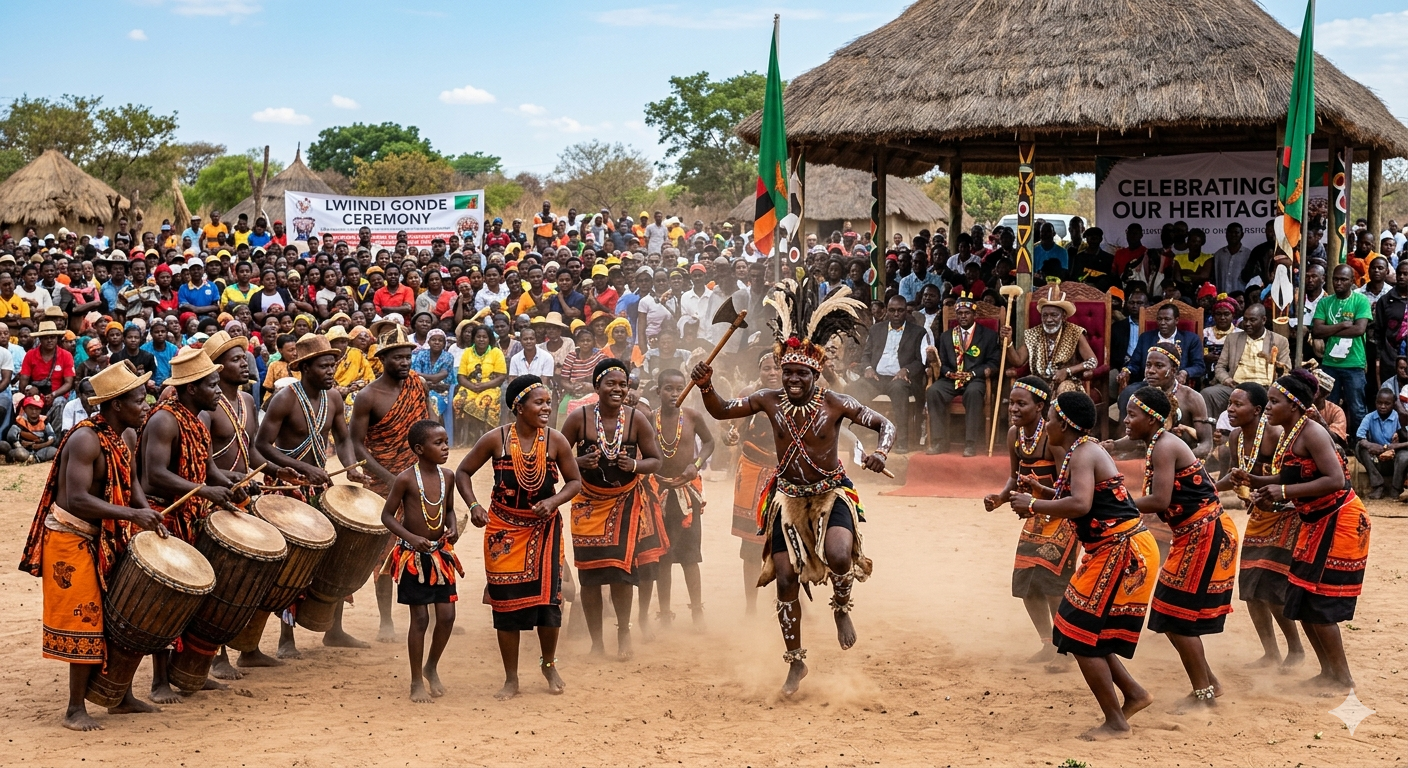
Zambia's Cultural Ceremonies
Over 70 tribal ceremonies celebrate Zambia's rich cultural heritage — from royal barge processions to masked spirit dances
A Living Cultural Tapestry
Zambia is home to over 70 ethnic groups, each with their own distinct traditions, languages, and ceremonies. These cultural celebrations — some dating back centuries — are not staged performances for tourists but living traditions that bring entire communities together. Attending one is a privilege and a window into the soul of Zambia.
Two of Zambia's ceremonial traditions — the Makishi Masquerade and the Gule Wamkulu — are recognized by UNESCO as Intangible Cultural Heritage of Humanity. Below are the most significant ceremonies that welcome respectful visitors.
Ceremony Calendar
* Dates for many ceremonies vary annually. Kuomboka depends on flood levels. Always confirm exact dates closer to travel.
Major Ceremonies
Kuomboka Ceremony
Lozi people • Western Province
Zambia's most famous ceremony. The Litunga (king) of the Lozi people migrates from the flooded Lealui palace to higher ground at Limulunga in the black-and-white painted Nalikwanda royal barge, topped with a model elephant. Thousands of paddlers, drummers, and spectators line the route. A spectacular display of royal pageantry and cultural pride.
Highlights
- •The royal Nalikwanda barge with 100+ paddlers
- •Traditional Lozi music and drumming
- •Thousands of spectators in traditional dress
- •The Litunga's ceremonial costume change mid-journey
Tip: Arrive 1-2 days early. The date depends on flood levels and is confirmed only weeks in advance. Stay in Mongu. Book accommodation early — the town fills up.
Nc'wala Ceremony
Ngoni people • Eastern Province
The Ngoni first fruits ceremony, celebrating the harvest and paying tribute to Paramount Chief Mpezeni. Warriors perform fierce Ngoni war dances in traditional regalia. A bull is ritually sacrificed and its blood offered to the chief as a symbol of the first fruits. Raw meat is consumed by the warriors. One of Zambia's most dramatic and energetic ceremonies.
Highlights
- •Ngoni warrior dances with shields and spears
- •Ritual sacrifice of the bull
- •Traditional war songs and chants
- •Paramount Chief Mpezeni's grand entrance
Tip: Chipata has decent accommodation. The ceremony is on the last Saturday of February. Dress respectfully. Photography usually permitted but ask first.
Likumbi Lya Mize
Luvale people • North Western Province
A four-day celebration featuring the spectacular Makishi masked dancers — figures representing ancestral spirits who emerge from the bush in elaborate costumes of bark cloth, fibre, and paint. Each mask character represents a different spirit with its own dance style. The ceremony celebrates initiation rites, unity, and the harvest. Recognized by UNESCO as an Intangible Cultural Heritage of Humanity since 2008.
Highlights
- •Makishi masked dancers (UNESCO recognized)
- •Elaborate bark cloth and fibre costumes
- •Four days of music, dance, and storytelling
- •Traditional Luvale cuisine and hospitality
Tip: Remote location — plan logistics carefully. The Makishi dancers are spectacular photographers' subjects. Respectful engagement with performers appreciated.
Kulamba Ceremony
Chewa people • Eastern Province
The largest traditional gathering in Zambia, attracting Chewa people from Zambia, Malawi, and Mozambique to pay homage to Paramount Chief Kalonga Gawa Undi. The Gule Wamkulu (Great Dance) — another UNESCO-recognized tradition — features masked dancers who embody ancestral spirits. A powerful display of cross-border cultural unity.
Highlights
- •Gule Wamkulu masked dancers (UNESCO recognized)
- •Cross-border gathering from three countries
- •Paramount Chief Kalonga Gawa Undi's address
- •Traditional Chewa music and dance performances
Tip: Can attract 20,000+ visitors. Accommodation is extremely limited — camp or stay in Katete/Chipata. The Gule Wamkulu dancers are sacred — ask before photographing.
Umutomboko Ceremony
Lunda people • Luapula Province
Celebrates the migration of the Lunda people from the Lunda-Luba kingdom in Congo. Chief Mwata Kazembe performs warrior dances, re-enacting the journey of his ancestors. Warriors in traditional dress showcase their prowess. The ceremony includes paying tribute to the chief and celebrating Lunda cultural identity and history.
Highlights
- •Chief Mwata Kazembe's warrior dance
- •Historical re-enactment of the Lunda migration
- •Traditional war dances and drumming
- •Colorful regalia and body paint
Tip: Remote area near Lake Mweru. Limited accommodation — consider camping. Combine with a visit to Lake Mweru and the Luapula River.
Shimunenga Ceremony
Ila people • Southern Province
A thanksgiving ceremony of the Ila people centered around cattle — sacred animals in Ila culture. Hundreds of prized cattle are paraded and decorated. Traditional cattle dances, mock fights, and competitions take place. The ceremony celebrates the bond between the Ila people and their livestock on the Kafue Flats.
Highlights
- •Decorated cattle parade
- •Traditional Ila cattle dances
- •Kafue Flats grassland setting
- •Agricultural displays and competitions
Tip: Namwala is accessible from Lusaka (4-5 hours). Can combine with birding at Lochinvar or Blue Lagoon National Parks nearby.
Lwiindi Ceremony
Tonga people • Southern Province
A rain-calling ceremony of the Tonga people, held to appease the ancestral spirits and ensure good rains for the coming season. Traditional spirit mediums play a central role. The ceremony features Tonga music, dance, and the brewing of traditional seven-day beer. Held in the spectacular setting of the Zambezi Valley near Lake Kariba.
Highlights
- •Traditional rain-calling rituals
- •Spirit medium ceremonies
- •Tonga traditional music and dance
- •Seven-day beer brewing tradition
Tip: Combine with a Lake Kariba trip. Sinazongwe is on the lake shore. Respectful observation of spirit medium rituals is expected.
Mutomboko Ceremony
Bemba people (Senior Chief Mwamba) • Northern Province
A celebration of Bemba cultural heritage and the unity of the Bemba-speaking peoples. Features traditional dances, songs, and tributes to the Senior Chief. The ceremony showcases the rich oral history and traditions of Zambia's largest ethnic group.
Highlights
- •Traditional Bemba dances
- •Cultural heritage displays
- •Traditional food and drink
- •Community gatherings and celebrations
Tip: Kasama is well-connected by road and Proflight flights from Lusaka. Combine with visits to Chishimba Falls and the Northern Waterfall Circuit.
Visitor Etiquette
- 💡These are sacred cultural events, not tourist shows. Approach with respect and genuine interest.
- 💡Dress modestly and conservatively. Avoid revealing clothing out of respect for traditional settings.
- 💡Always ask permission before photographing people, especially chiefs, elders, and ritual performers.
- 💡Follow the guidance of your local host or guide regarding where to sit, stand, and when to observe silence.
- 💡Bringing a small gift for the chief or community (such as fabric, mealie meal, or sugar) is appreciated.
- 💡Some ceremonies involve rituals that may seem unfamiliar. Observe quietly and ask questions respectfully afterward.
- 💡Support local communities by purchasing crafts, food, and services directly from vendors at the ceremony.
Experience Zambia's Living Culture
Chat with Mosi to plan your trip around a ceremony — we'll help with dates, accommodation, and local guides.