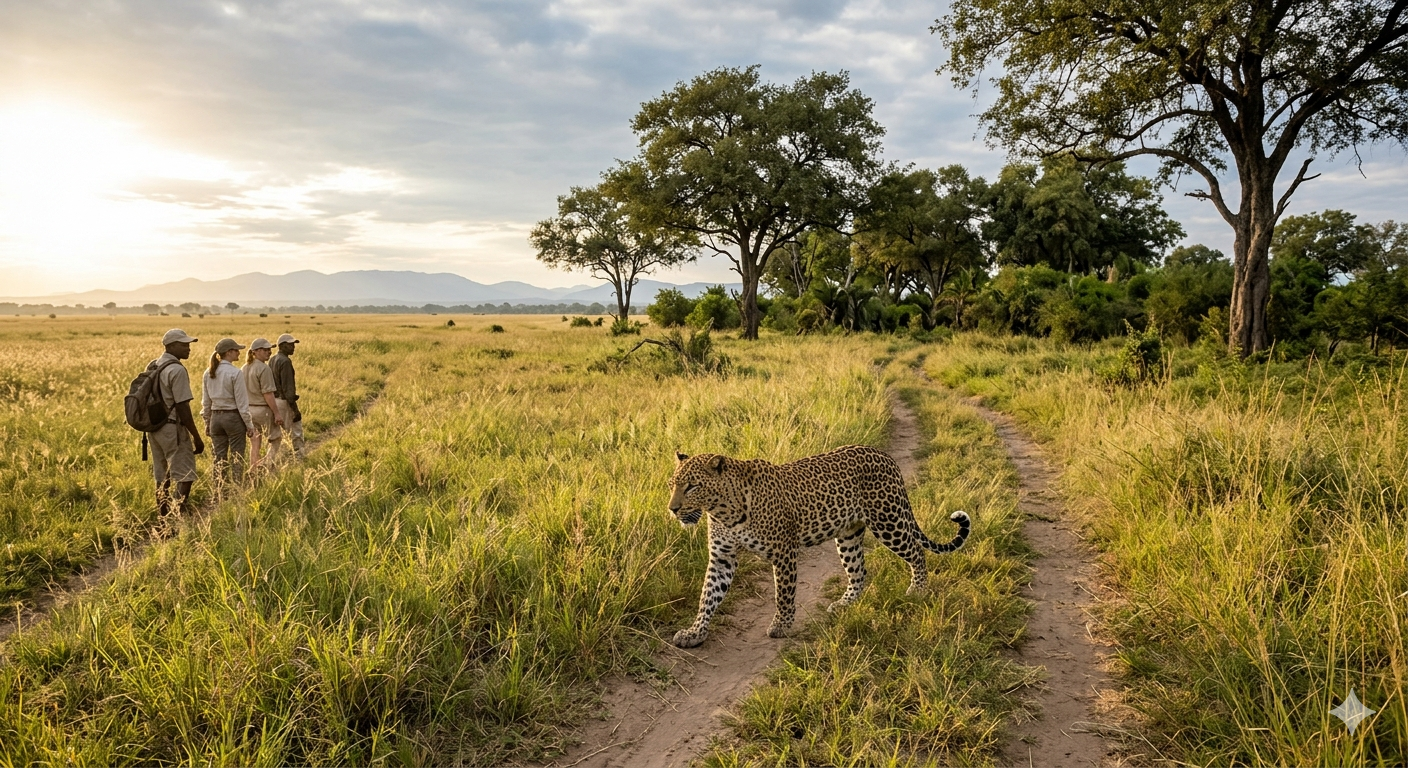
Bangweulu Wetlands
“Where the water meets the sky” — home of the elusive shoebill stork and Africa's largest black lechwe herds
Overview
The Bangweulu Wetlands is a vast floodplain system in northern Zambia, spanning over 6,000 km² of lakes, swamps, and seasonally flooded grasslands. The name means “where the water meets the sky” in the Bemba language — and when you stand on the endless flooded plains, you understand why.
This Ramsar Wetland of International Importance is one of the best places in Africa to see the prehistoric-looking shoebill stork — a bucket-list bird for birders worldwide. The wetlands also support an estimated 100,000 black lechwe (the world's largest population), 10% of the world's wattled cranes, and over 400 bird species.
Managed by African Parks in partnership with six local chiefdoms and 50,000 community members, Bangweulu is a pioneering model of community-based conservation. It is also where the explorer David Livingstone died in 1873, near Chief Chitambo's village.
Best Time to Visit
Shoebill Season (Apr-Jun)
The best months to find the elusive shoebill. Water levels are high, and the birds are concentrated in accessible areas. Boat trips increase your chances significantly.
Best for: Shoebill storkDry Season (Jul-Oct)
Water recedes, concentrating black lechwe herds on remaining green patches. Easier road access. Best for photographing large lechwe herds and wattled cranes.
Best for: Black lechwe herdsWet Season (Nov-Mar)
The wetlands at their most expansive. Dramatic flooded landscapes. Birding peaks with migratory species. Access can be extremely challenging — boats essential.
Best for: Dramatic landscapesYear-round
The shoebill can technically be seen year-round, but sightings are most reliable April-June. The lechwe are present throughout the year in huge numbers.
Wildlife present year-roundActivities
Shoebill Stork Search
Half day (boat)
One of Africa's most sought-after birds — prehistoric and fascinating
Black Lechwe Game Drive
3-4 hours
100,000+ lechwe — the world's largest population
Boat Safari
2-4 hours
Navigate papyrus channels teeming with birdlife
Birding Safari
Full day
400+ species including wattled crane and African skimmer
Community Cultural Visit
Half day
Meet the fishing communities who coexist with the wetlands
Livingstone Memorial Visit
1-2 hours
Where David Livingstone died in 1873
Getting There
By Air: Charter flights from Lusaka to Chikuni airstrip (approximately 2 hours). African Parks can arrange charters. Proflight flies to Kasama, from where it is a 4-5 hour drive.
By Road: From the Great North Road, turn off at Mpika or Serenje. The drive from Lusaka is approximately 800km (10-12 hours). 4x4 essential for the last section, especially in the wet season.
Important: This is a remote destination. Confirm road conditions with African Parks before departing. Carry supplies and fuel for the last stretch.
Where to Stay
Lodge
$200-400/night all-inclusiveShoebill Island Camp — the only permanent camp, run by African Parks
Camping
$15-25/person/nightCommunity campsites — basic but scenic locations
Nearby Towns
$15-40/nightMpika or Serenje guesthouses — basic accommodation en route
Insider Tips
- 💡April-June is the magic window for shoebill. Book Shoebill Island Camp well in advance.
- 💡Bring serious insect repellent — this is a wetland and mosquitoes are abundant.
- 💡Combine with Kasanka (3 hours south) for an incredible off-the-beaten-track itinerary.
- 💡The local fishing communities are welcoming — ask your guide to arrange a village visit.
- 💡A telephoto lens (400mm+) is essential for shoebill photography — they're shy and keep distance.
- 💡This is one of the few places where your visit directly supports 50,000 community members through conservation fees.
Ready to Find the Shoebill?
Chat with Mosi to plan your Bangweulu Wetlands adventure and maximize your chances of spotting this incredible bird.