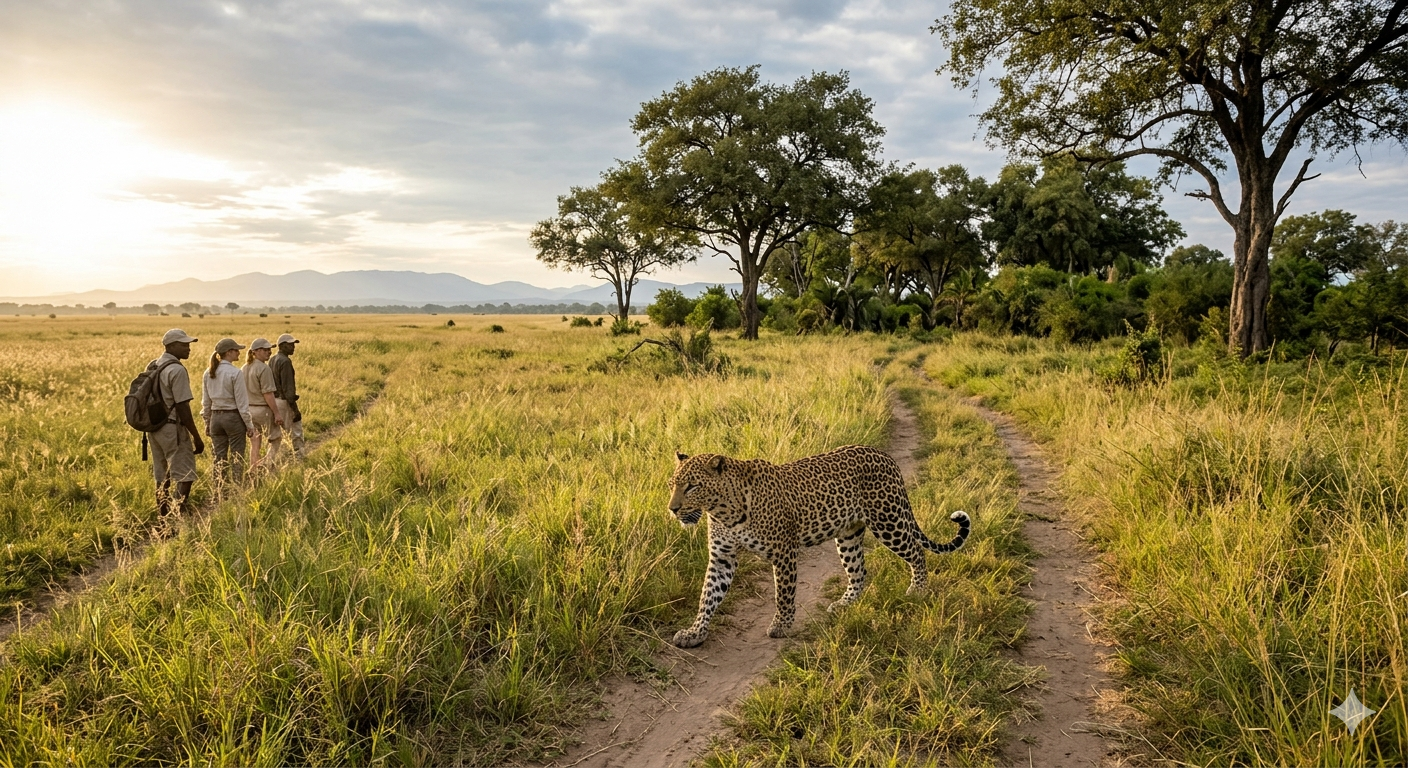
Liuwa Plain
Africa's second-largest wildebeest migration across endless open plains — raw, remote, and utterly spectacular
Overview
Liuwa Plain National Park in Zambia's remote Western Province is one of Africa's last truly wild places. This 3,660 km² park of vast, treeless grasslands hosts Africa's second-largest wildebeest migration (after the Serengeti), with over 40,000 blue wildebeest sweeping across the plains alongside thousands of zebra and tsessebe.
Managed by African Parks since 2003, the park has undergone a remarkable recovery. Lion, cheetah, wild dog, and hyena populations have rebounded. The park's most famous resident was Lady Liuwa, the last remaining lioness who lived alone for years before new lions were introduced.
Visiting Liuwa is a true adventure — there are no fences, few roads, and you may be the only visitors in the entire park. The vast open skies, dramatic storms, and endless plains create a landscape of raw, untamed beauty that is impossible to forget.
Best Time to Visit
Wildebeest Migration (Nov-Dec)
The main event. Over 40,000 wildebeest move across the plains, attracting predators. Dramatic thunderstorms provide incredible photographic backdrops. Green, lush grasslands.
Best for: The migrationDry Season (May-Oct)
Easier access on dried roads. Animals concentrate around remaining water. Large hyena clans active. Good for general game viewing and predator sightings.
Best for: Accessibility & predatorsGreen Season (Jan-Apr)
Park is at its most beautiful — green as far as the eye can see. Birding peaks with 330+ species. Some areas flood and become impassable. True wilderness experience.
Best for: Photography & birdingCalving Season (Dec-Jan)
Wildebeest and zebra calving attracts predators. Dramatic predator-prey interactions on the open plains. Wet conditions but extraordinary wildlife spectacle.
Best for: Predator actionActivities
Wildebeest Migration Game Drive
Full day
40,000+ wildebeest on vast open plains
Night Drives
3-4 hours
Hyena clans, aardwolf, bat-eared fox, African wild cat
Birding Safari
Half day
330+ species including crowned cranes and wattled cranes
Walking Safari
2-3 hours
Walk the vast treeless plains with armed guides
Cultural Visits
Half day
Visit Lozi communities and learn about Barotseland culture
Stargazing
Evening
Zero light pollution — among Africa's best night skies
Getting There
By Air: Charter flights from Lusaka or Livingstone to Kalabo airstrip (approximately 2 hours). This is the most practical option. African Parks can arrange charters as part of camp bookings.
By Road: From Mongu, it is approximately 150km to the park (4-5 hours in dry season, longer in wet). A 4x4 with high clearance is absolutely essential. The road crosses the Barotse floodplain and can be impassable in the rains.
Important: This is a remote, self-sufficient destination. Carry extra fuel, water, and supplies if self-driving. Communication is limited — satellite phones recommended.
Where to Stay
Luxury Camp
$800-1,500/night all-inclusiveKing Lewanika Lodge (African Parks/Time + Tide) — 6 villas on the plains
Camping
$25-40/person/nightDesignated campsites within the park — fully self-sufficient
Nearby
$20-50/nightMongu town guesthouses (120km from park) — basic but functional
Insider Tips
- 💡November is the month for the wildebeest migration. Time your visit for late November for peak numbers.
- 💡Combine Liuwa with the Kuomboka ceremony in Mongu (March/April) for an incredible Western Province itinerary.
- 💡This is as close to 'alone in Africa' as you can get. Expect to see zero other vehicles.
- 💡King Lewanika Lodge is one of Africa's most exclusive camps — worth the price for a once-in-a-lifetime experience.
- 💡The hyena clans here are huge and highly active. Night drives are exceptional for hyena behavior.
- 💡If self-driving, register with African Parks at the gate and carry a satellite communicator.
Ready for True African Wilderness?
Chat with Mosi to plan your Liuwa Plain adventure — from luxury camps to self-drive expeditions.