Kasanka National Park
Home to the world's largest mammal migration — 8 million fruit bats darkening the sky each November
Overview
Kasanka is one of Zambia's smallest national parks at just 390 km², but it punches far above its weight. Every year between October and December, an estimated 8 million straw-coloured fruit bats descend on a tiny patch of mushitu (swamp forest) — the largest mammal migration on Earth by sheer numbers. Watching millions of bats take flight at dusk is one of Africa's most jaw-dropping wildlife spectacles.
Beyond the bats, Kasanka is a haven for rare and elusive species. The shy sitatunga antelope is best observed from tree hides overlooking the papyrus swamps. The park also hosts 330+ bird species including Pel's fishing owl, Ross's turaco, and the rare blue monkey. Managed by the Kasanka Trust since 1990, it is a pioneering example of private-public conservation in Africa.
Best Time to Visit
Bat Migration (Oct-Dec)
THE reason to visit. 8 million straw-coloured fruit bats roost in a small patch of forest. Watching them emerge at dusk — a living, swirling cloud — is unforgettable. Peak numbers usually in late November.
Best for: Once-in-a-lifetime spectacleDry Season (Jun-Oct)
Best for general wildlife viewing and birding. Sitatunga are easier to spot from tree hides. Comfortable temperatures. Good access to all areas of the park.
Best for: Wildlife & birdingGreen Season (Jan-Apr)
Lush landscapes and dramatic skies. Birding is excellent with migratory species present. Quietest time with virtually no other visitors. Some roads may be impassable.
Best for: SolitudeShoulder (May-Jun)
Water levels dropping, revealing wildlife. Beautiful light for photography. Bats have departed but the park is peaceful and green. Good value.
Best for: PhotographyActivities
Bat Migration Viewing
Dusk (1-2 hours)
8 million bats — the world's largest mammal migration
Sitatunga Hide
2-4 hours
Tree-top hide overlooking papyrus — best way to see this shy antelope
Birding Safari
Half day
330+ species: Pel's fishing owl, Ross's turaco, pygmy goose
Canoe Trip on Lake Wasa
2-3 hours
Paddle past hippos and sitatunga in pristine papyrus swamps
Walking Safari
2-3 hours
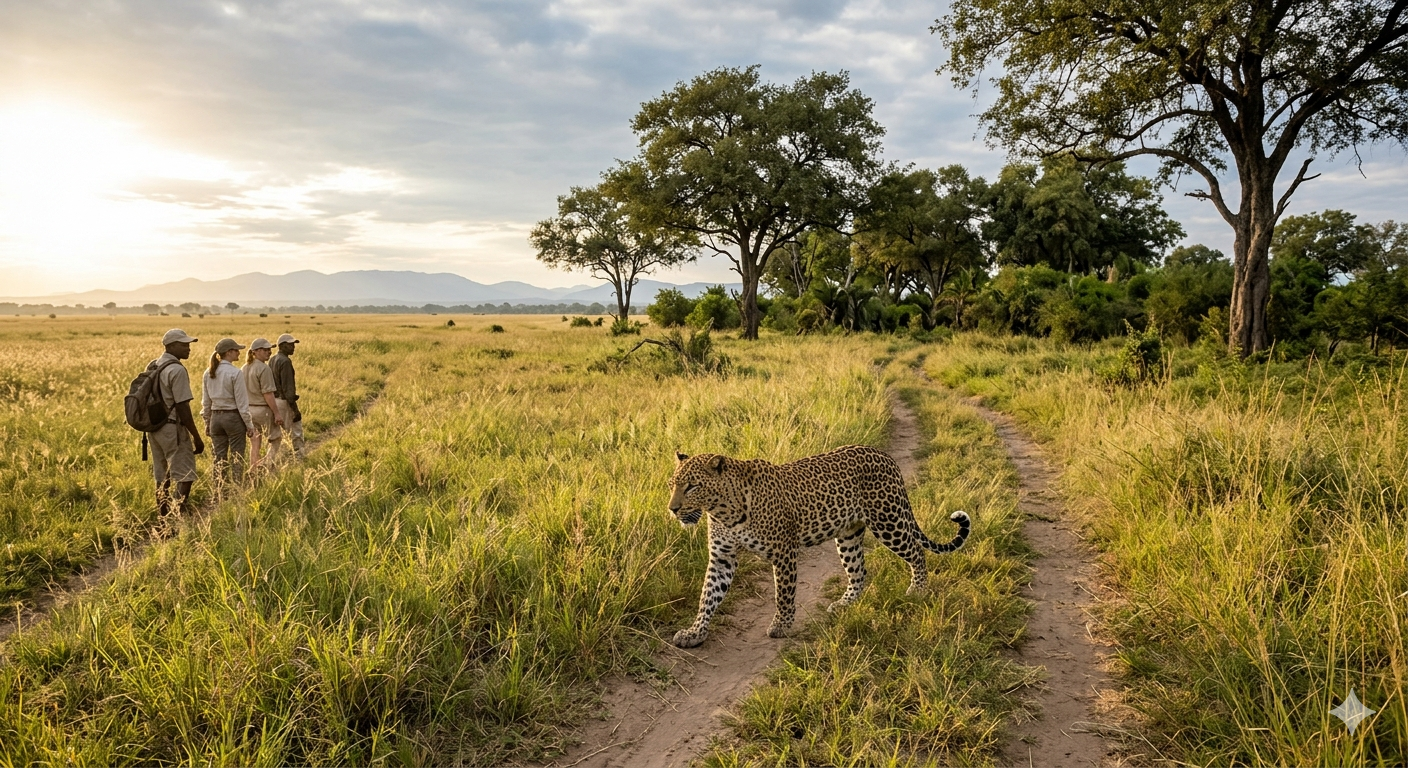
Guided walks through mushitu forest and grasslands
Night Drive
2-3 hours
Porcupine, genet, side-striped jackal, and serval
Getting There
By Road: Kasanka is approximately 580km from Lusaka (7-8 hours) via the Great North Road, turning off at Serenje. The last 40km is on a gravel road. A 4x4 is recommended, especially in the wet season.
By Air: The park has a small airstrip for charter flights. Charter from Lusaka takes approximately 1.5 hours. During bat season, some operators arrange group charters.
Park Fees: $25/person/day for international visitors. Vehicle entry fee applies. The Kasanka Trust manages all fees directly.
Where to Stay
Lodge
$150-280/nightWasa Lodge — lakeside location, the park's main accommodation
Tented Camp
$120-200/nightLuwombwa Tented Camp — seasonal, intimate bush setting
Self-catering
$15-30/nightPontoon Campsite, Kabwe Campsite — bring your own supplies
Insider Tips
- 💡Late November is peak bat season. Book Wasa Lodge 6+ months ahead — it sells out every year.
- 💡Bring a wide-angle lens for the bat emergence — you can't capture the scale with a telephoto.
- 💡The fibreglass tree hide for sitatunga viewing is a unique Kasanka experience. Go early morning.
- 💡Combine Kasanka with Bangweulu Wetlands (3 hours north) for the ultimate off-beat Zambia itinerary.
- 💡This is a self-drive-friendly park — no need for expensive charters if you have a 4x4.
- 💡The bat migration timing varies slightly each year. Check with the Kasanka Trust before booking exact dates.
Frequently Asked Questions
What is Kasanka National Park famous for?
Kasanka hosts the world's largest mammal migration: up to 8-10 million straw-coloured fruit bats roost in a small patch of swamp forest each year, darkening the sky at dusk and dawn. The park is also one of the best places to see the rare, swamp-dwelling sitatunga antelope.
When is the best time to see the bats at Kasanka?
The bat migration runs from late October to mid-December, peaking in mid-to-late November. That peak window is when millions of bats emerge together at sunset — the spectacle Kasanka is famous for. Timing shifts slightly each year, so confirm with the Kasanka Trust before booking exact dates.
Where is Kasanka National Park?
Kasanka is in northern Zambia, in the Serenje district near the Bangweulu basin, roughly 6-7 hours' drive north of Lusaka. It's a small (390 km²), privately managed park run by the Kasanka Trust.
How do you get to Kasanka?
Kasanka is one of Zambia's more self-drive-friendly parks — about 6-7 hours from Lusaka on mostly tarred roads, with a 4x4 recommended for the final stretch and inside the park. Charter flights to the airstrip are also available, especially during bat season.
Where do you stay at Kasanka?
Wasa Lodge and Luwombwa Lodge sit inside the park, alongside seasonal camps and campsites set up for the bat migration. Accommodation is limited and sells out every year — book 6+ months ahead for November.
Ready to Witness the Bat Migration?
Chat with Mosi to plan your Kasanka trip and time it perfectly for the bat spectacle.